

Why Smart Developers in Pennsylvania Are Switching to Construction Management Over General Contractors: 7 Powerful Reasons for Success
smart developers in Pennsylvania are switching to construction management over general contractors
The Shift in Pennsylvania’s Construction Landscape
Commercial construction management in Pennsylvania is quickly becoming the delivery method of choice — not only across the state, but nationwide. The industry is experiencing a significant shift as more developers move away from the traditional general contractor model. For decades, general contractors (GCs) were the backbone of commercial projects, managing construction once designs were finalized. Today, however, a growing number of forward-thinking developers are embracing construction management (CM), a more transparent, collaborative, and strategically driven approach that delivers stronger results.
This shift isn’t a passing trend. It’s a structural change that reflects how modern projects are planned, financed, and delivered. Rising construction costs, supply chain delays, safety concerns, and the demand for future-ready buildings are driving developers toward solutions that prioritize efficiency, accountability, and long-term value.
Construction management has emerged as the method that checks all these boxes. Let’s explore why forward-thinking developers in Pennsylvania are turning to construction managers over traditional general contractors — and how this decision is shaping the state’s commercial building future.


What Is Construction Management and How Does It Differ from General Contracting?
Before we dive into the reasons behind this shift, it’s essential to understand the key differences between the two roles.
The Role of a Construction Manager
A construction manager acts as an owner’s advocate throughout the entire project lifecycle. From feasibility studies and budgeting to hiring subcontractors and overseeing daily progress, the CM ensures that every decision aligns with the developer’s goals.
Key responsibilities include:
Pre-construction planning and feasibility studies
Traditional Responsibilities of a General Contractor
General contractors typically enter the process later — usually after the design phase is complete. They’re responsible for:
Providing a lump-sum bid based on drawings and specs
Hiring subcontractors and suppliers
Coordinating daily construction activities
Delivering the project on time and within budget (based on contract terms)
While GCs can be effective in certain scenarios, their transactional approach often lacks the transparency and collaboration developers increasingly demand.
Reason #1: Greater Cost Transparency and Predictability Open-Book Costing vs Lump-Sum Bidding
General contractors usually operate under lump-sum contracts. This means developers don’t see the breakdown of costs, making it difficult to track savings or understand budget overruns.
Construction managers, however, use an open-book approach, sharing detailed breakdowns of material, labor, and subcontractor costs. Developers can see exactly where their money is going, empowering them to make smarter financial decisions.
How Construction Managers Protect Developers’ Budgets
Commercial construction management in Pennsylvania is proving to be a smarter, more reliable choice for developers who want to safeguard their investments. Unlike the traditional general contracting model, construction managers operate with an owner-first mindset, ensuring that every dollar is accounted for and wisely spent.
Here’s how construction managers help developers protect their budgets and maximize value:
Identifying cost-saving alternatives early – By joining projects during the pre-construction phase, construction managers evaluate designs and materials to suggest more affordable, yet equally effective, alternatives.
Negotiating better subcontractor rates through prequalification – CMs maintain strong relationships with vetted subcontractors, giving developers access to competitive pricing without sacrificing quality.
Regular budget updates to prevent surprise expenses – Instead of waiting until the end of a project to discover overruns, construction managers provide frequent financial reports to keep projects on track.
Transparent reporting that builds trust – Open-book accounting gives developers full visibility into costs, ensuring confidence in every financial decision.
For developers in Pennsylvania facing tight margins and rising construction costs, this level of clarity is nothing short of game-changing. With a skilled construction management team, budgets are not just maintained — they’re optimized, allowing projects to stay profitable while exceeding expectations.
Reason #2: Early Project Involvement and Strategic Planning Pre-Construction Planning Advantages
Unlike general contractors who join late, construction managers are involved from day one. They work with architects and engineers during design, offering insights on constructability, materials, and costs.
Benefits include:
Accurate conceptual budgeting
Constructability reviews to avoid design flaws
Schedule optimization based on local conditions
Improved permitting strategies with municipalities
Risk Mitigation from Day One
Because CMs are engaged early, they identify potential risks — from zoning conflicts to supply chain bottlenecks — long before ground is broken. This proactive approach saves developers both time and money.

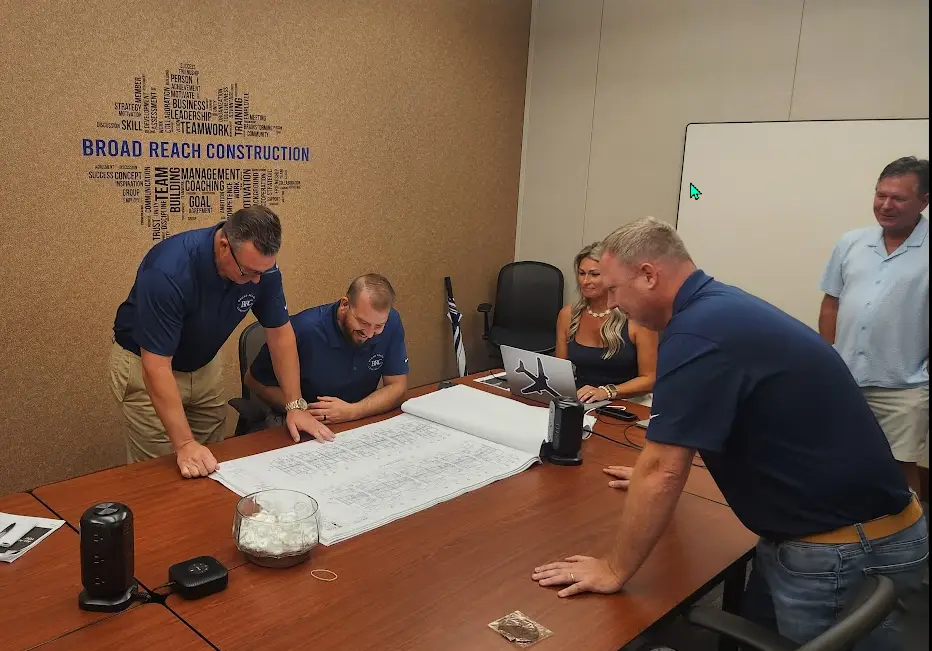
Reason #3: Flexibility and Adaptability in Changing Market Conditions Handling Supply Chain Challenges
The pandemic highlighted the fragility of global supply chains. Lumber, steel, and electrical equipment delays wreaked havoc on schedules.
Construction managers adapt by:
Securing alternate suppliers
Re-sequencing schedules to avoid downtime
Using value engineering to identify substitute materials without compromising quality
Adjusting Schedules Without Sacrificing Quality
Because they’re not locked into rigid lump-sum contracts, CMs can pivot quickly when conditions change — a flexibility general contractors rarely offer.
Reason #4: Stronger Collaboration Among Stakeholders Communication Flow with Owners, Architects, and Engineers
Construction management fosters a team-based approach. Instead of working in silos, developers, architects, engineers, and subcontractors collaborate under the CM’s leadership.
This results in:
Clearer communication channels
Fewer disputes and claims
Faster decision-making
Designs that are practical, cost-effective, and aligned with developer goals
Why Developers Value Partnership Over Transactions
Developers don’t want vendors; they want partners who share their vision. CMs build long-term relationships based on trust, not just one-off contracts.

Management and Safety Oversight Construction Manager’s Safety Culture
Lorem ipsum dolor sit amet, consectetur adipiscing elit. Ut elit tellus, luctus nec ullamcorper mattis, pulvinar dapibus leo.
Reason #5: Superior Risk
Safety is more than compliance — it’s about protecting workers, avoiding legal issues, and keeping projects on track. Construction managers prioritize safety with:
Site-specific safety plans
Daily inspections and reporting
Subcontractor compliance enforcement

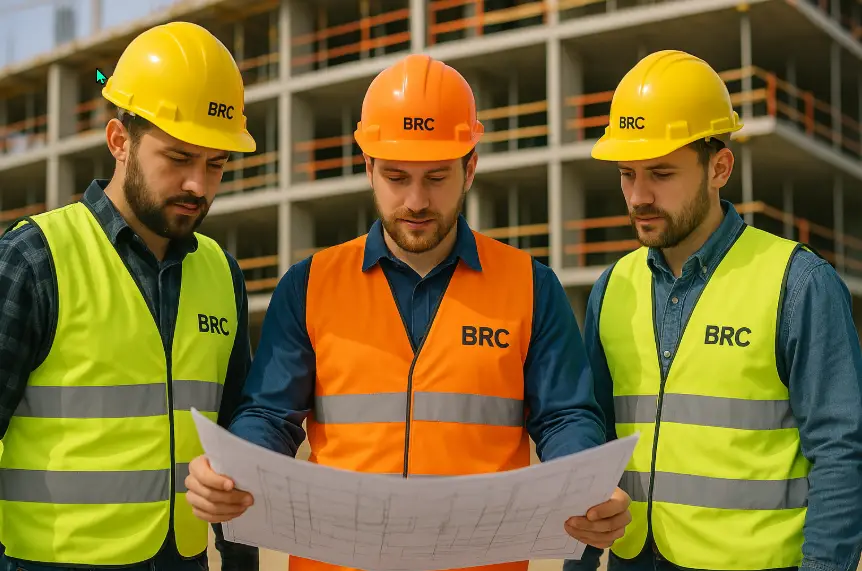
Legal and Liability Protections for Developers
CMs help reduce exposure to litigation by proactively addressing risks, documenting issues, and ensuring strict adherence to safety regulations.
Reason #6: Enhanced Quality Control and Accountability Continuous Oversight vs Periodic Inspections
Continuous Oversight vs Periodic Inspections
General contractors may inspect at key stages, but construction managers maintain continuous oversight. Their role is to ensure quality at every step.
How Pennsylvania Developers Benefit from Higher Standards
From biotech labs in Allentown to warehouse renovations in Wilkes-Barre, developers are finding that CM-led projects deliver better craftsmanship, fewer defects, and reduced rework costs.
Lorem ipsum dolor sit amet, consectetur adipiscing elit. Ut elit tellus, luctus nec ullamcorper mattis, pulvinar dapibus leo.
Reason #7: Faster Project Delivery and Long-Term Value Overlapping Phases for Time Savings Because construc
tion managers are engaged during design, they can begin procurement and scheduling before drawings are finalized. This overlapping approach accelerates delivery.
Buildings Designed for Growth and Future Needs
CMs think long-term. They help developers design spaces that can scale and adapt, whether it’s a warehouse expansion, office fit-out, or EV charging infrastructure project.
Comparing Construction Management vs. General Contracting in Pennsylvania

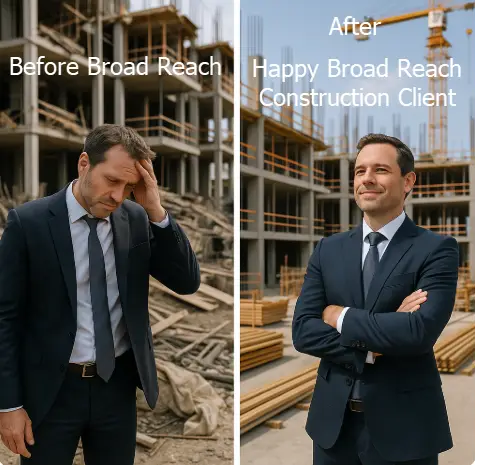
Comparing Construction Management vs. General Contracting in Pennsylvania
| Feature | Construction Management | General Contracting |
|---|---|---|
| Cost Transparency | Open-book | Lump-sum bid |
| Involvement | Early (pre-construction) | Late (post-design) |
| Flexibility | High | Low |
| Safety Oversight | Continuous | Periodic |
| Collaboration | Team-based | Transactional |
| Risk Management | Proactive | Reactive |
| Delivery Speed | Faster (phased overlap) | Slower (linear) |
Frequently Asked Questions (FAQs)
Why is construction management becoming more popular in Pennsylvania?
Developers value transparency, collaboration, and cost savings — all of which are built into the construction management model.
Do construction managers replace general contractors completely?
Not necessarily. In many cases, CMs still oversee subcontractors, but they operate as the developer’s representative rather than as a separate entity with their own financial interests.
How do construction managers ensure cost savings?
By engaging early, negotiating subcontractor rates, and using open-book accounting, they prevent budget surprises and identify savings opportunities.
What types of projects benefit most from construction management?
Large-scale commercial projects such as warehouses, biotech labs, EV charging stations, and mixed-use developments benefit most due to their complexity.
How do I choose the right construction management firm in Pennsylvania?
Look for firms with proven experience, transparent processes, and strong references in your project type and region.
Are there risks in switching from general contracting to construction management?
The main risk is choosing the wrong partner. With the right CM, however, developers often experience better outcomes across cost, quality, and schedule.
Conclusion: The Future Belongs to Construction Management in Pennsylvania
The evidence is clear: construction management isn’t just a different delivery method — it’s a smarter, more efficient, and more transparent way to build. As developers in Pennsylvania face mounting pressures from budgets, supply chains, and regulatory environments, those who embrace CM are positioning themselves for long-term success.
Construction management offers developers exactly what they need: control, clarity, and confidence. That’s why the smartest developers across Pennsylvania are already making the switch — and why the future of commercial building in the state will increasingly belong to construction managers, not general contractors.
External Resources and References
For further reading on construction management trends and benefits, see:
Broad Reach Construction Leadership Team
KEVIN MORGAN
KEVIN DAVID
CHAD LYNCH
SHEA DAVIS


Project Types
Get In Touch
- Long Beach, NY
- Wilkes-Barre, PA
- Raleigh, NC
- Wilkesboro, NC