
How Design-Build Collaboration Improves Project Outcomes
Better Coordination. Earlier Decisions. Greater Project Control.
Successful commercial construction depends on more than good design and experienced builders. It requires architects, engineers, construction managers, and project owners to work together toward clearly defined goals.
At Broad Reach Construction Management, our collaborative Design-Build approach brings these professionals together early to coordinate budgets, schedules, constructability, and project requirements before construction begins.
With an established office in Dallas, Pennsylvania, and commercial construction experience across multiple markets, our team helps owners reduce communication gaps, identify potential risks, and make informed decisions throughout the project.
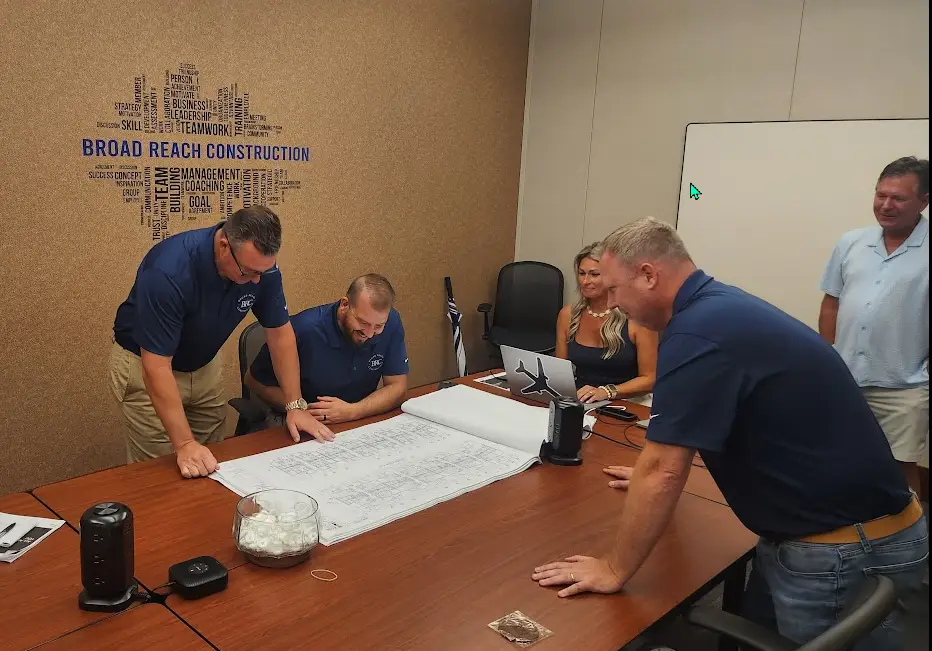
Design-Build Collaboration
Successful Design-Build projects depend on one critical factor: true collaboration from day one. When designers, engineers, and builders work as a unified team, they make decisions earlier, reduce risk, and move projects forward with clarity instead of conflict.
At Broad Reach Construction, Design-Build collaboration is not a buzzword — it is a disciplined process. We bring all stakeholders to the table early, align goals before finalizing drawings, and maintain open communication throughout design and construction. The result is a more predictable, efficient, and owner-focused project experience.
For a complete overview of integrated project delivery, explore our commercial Design-Build construction services in Pennsylvania, including preconstruction planning, budgeting, scheduling, and construction management.
Why Collaboration Matters in Design-Build
In traditional project delivery, design and construction are often disconnected. Important decisions are deferred, budgets are estimated in isolation, and constructability issues surface only after work begins.
Design-Build collaboration changes that dynamic.
By integrating construction expertise into the design phase, owners gain:
Early insight into cost and schedule implications
Practical feedback on materials, systems, and sequencing
Fewer late-stage design changes
Clear accountability across the entire team
Collaboration ensures that the project is not only well-designed, but also buildable, efficient, and aligned with real-world constraints.
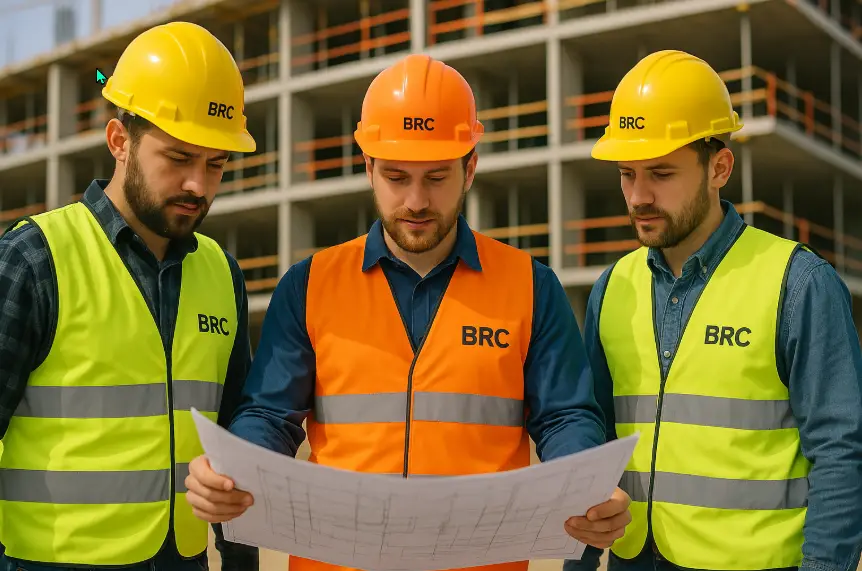
Real-Time Cost and Schedule Alignment
One of the greatest advantages of Design-Build collaboration is the ability to evaluate construction costs and scheduling requirements while design decisions are still being developed.
Instead of waiting until drawings are complete, estimators, schedulers, engineers, and construction managers can review proposed building systems, materials, construction methods, and procurement requirements together.
This coordinated approach helps project teams:
Identify potential conflicts between design intent and available budgets.
Evaluate alternative materials and construction methods.
Recognize long-lead equipment and procurement risks.
Plan construction sequencing for occupied facilities.
Coordinate permitting, design milestones, and construction activities.
Address constructability concerns before they reach the jobsite.
Early cost and schedule alignment does not eliminate every project risk, but it provides owners with better information when important decisions must be made.
Communication Throughout Construction
Collaboration does not stop once construction begins.
Broad Reach maintains clear and consistent communication between all project participants through:
Regular coordination meetings
Transparent reporting on cost and schedule
Proactive issue resolution
Ongoing owner engagement
This continuous collaboration keeps the project aligned with expectations from start to finish.

Collaboration Across Project Types
Design-Build collaboration is especially valuable for projects involving:
Complex logistics or tight schedules
Renovations and occupied facilities
Specialized building systems
Multiple stakeholder groups
Our collaborative approach adapts to the unique demands of each project while maintaining consistent standards for communication, accountability, and performance.
Design-Build Collaboration for Commercial Projects in Wilkes-Barre, PA
Commercial construction projects in Wilkes-Barre and throughout Luzerne County often require coordination among property owners, design professionals, construction managers, subcontractors, and local authorities.
For warehouse renovations, medical office improvements, commercial tenant build-outs, and occupied-building projects, early collaboration helps identify requirements that could otherwise affect budgets or construction schedules.
Broad Reach Construction Management brings design coordination, conceptual budgeting, scheduling, and construction oversight together to help owners evaluate important decisions before construction begins.
Our nearby Dallas, Pennsylvania office provides a regional base for supporting commercial projects throughout Wilkes-Barre and the Wyoming Valley.
Learn more about our Design-Build Contractor Services in Wilkes-Barre, PA and how integrated project delivery supports commercial owners throughout Luzerne County.
How Design-Build Collaboration Protects Owners
For owners, collaboration translates directly into reduced risk.
By aligning design and construction teams under a single delivery structure, owners benefit from:
Fewer disputes between project participants
Earlier identification of cost and schedule risks
Clear responsibility for outcomes
Greater confidence in project decisions
This alignment allows owners to focus on their core business while the project team manages complexity.
Collaboration as Part of a Proven Design-Build Process
Design-Build collaboration is one component of a broader, structured delivery approach. At Broad Reach Construction, collaboration is supported by disciplined pre-construction planning, construction management, and quality control.
To understand how collaboration fits into the complete Design-Build delivery method, explore our Design-Build Construction Services pillar page.
Start the Conversation Early
The most successful Design-Build projects begin with early collaboration. Engaging the project team before key decisions are locked in creates opportunities for better outcomes — in cost, schedule, and long-term performance.
If you are considering a Design-Build project and want to understand how collaboration can support your goals, we welcome the opportunity to talk.
SERVICE AREAS
North Carolina: Raleigh, Charlotte, Greensboro, and statewide.
Pennsylvania: Dallas, Wilkes-Barre, Scranton, Allentown/Lehigh Valley, and statewide.
Northeast: Select projects across NY, NJ, and surrounding markets.
Frequently Asked Questions About Design-Build Collaboration
Why is collaboration important in Design-Build construction?
Collaboration allows architects, engineers, construction managers, and owners to evaluate project requirements together. This helps identify design conflicts, budget concerns, scheduling challenges, and construction risks earlier in the process.
When should collaboration begin on a commercial construction project?
Ideally, during the earliest planning and feasibility stages. Early coordination allows construction expertise to inform design decisions before drawings, budgets, and schedules become difficult to modify.
How does Design-Build collaboration help control construction costs?
Integrated teams can evaluate material selections, building systems, constructability, procurement, and alternative construction approaches while designs are being developed. This improves cost visibility and supports more informed budget decisions.
Can Design-Build collaboration help with occupied commercial renovations?
Yes. Early coordination helps project teams plan construction phases, temporary access, utility interruptions, safety measures, and operational requirements before construction begins.
Who participates in Design-Build collaboration?
Depending on the project, participants may include the owner, architects, engineers, construction managers, estimators, schedulers, subcontractors, suppliers, and facility representatives.